Source eco friendly bird house for Garden, Wall, and Outdoor Use
Compare 30 listings for eco friendly bird house options made from wood and paulownia. Buyers can evaluate customization, certifications like FSC and BSCI, and various sizes for garden, wall hanging, and outdoor applications.
Key considerations
Products List










Comprehensive Sourcing Guide
Eco Friendly Bird House Sourcing Guide
Sourcing eco-friendly bird houses requires a careful balance between aesthetic appeal, functional durability, and verifiable sustainability credentials. Buyers in the B2B sector must navigate a market where "eco-friendly" is often used as a marketing term rather than a certified standard. The core challenge lies in distinguishing between products made from rapidly renewable materials and those that merely use natural aesthetics without proper environmental governance. This guide provides a structured approach to evaluating suppliers, verifying material integrity, and ensuring that procurement decisions align with both corporate sustainability goals and end-user expectations for wildlife habitats.
The following sections detail the critical verification steps for sourcing these products. We focus on observable listing signals, technical specifications, compliance documentation, cost structures, supplier qualifications, and long-term procurement checks. By adhering to this framework, buyers can mitigate risks associated with greenwashing, supply chain disruptions, and quality inconsistencies. The goal is to empower procurement teams to make data-driven decisions that prioritize genuine environmental responsibility and product reliability.
Product Scope and Observed Listing Signals
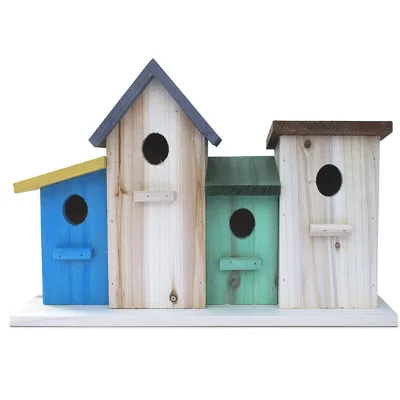
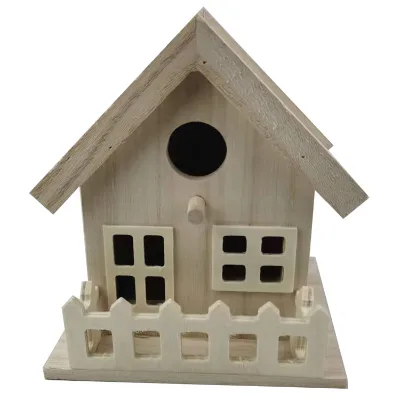
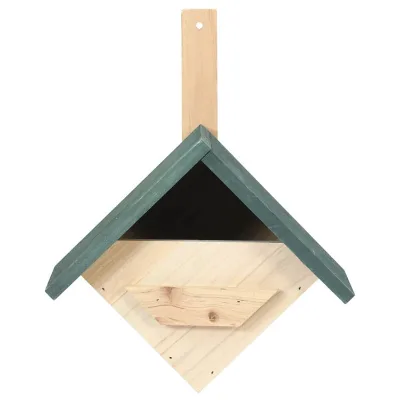
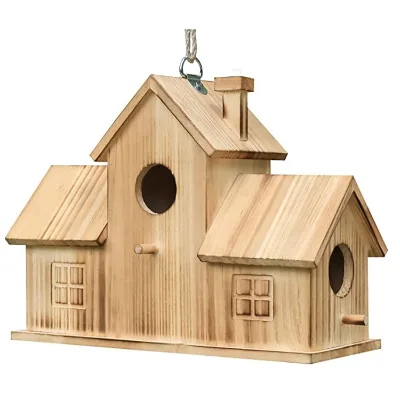
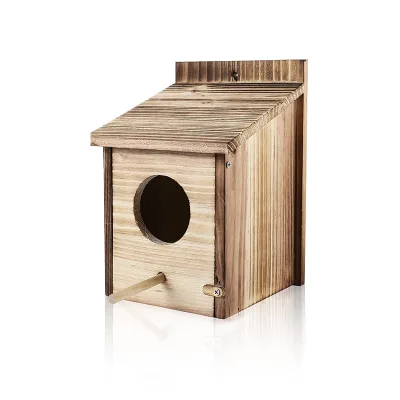
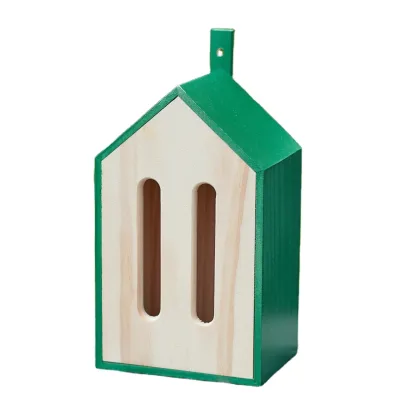
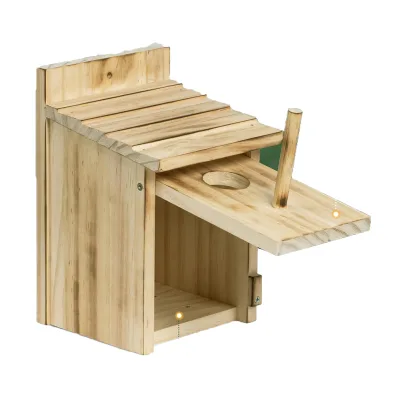
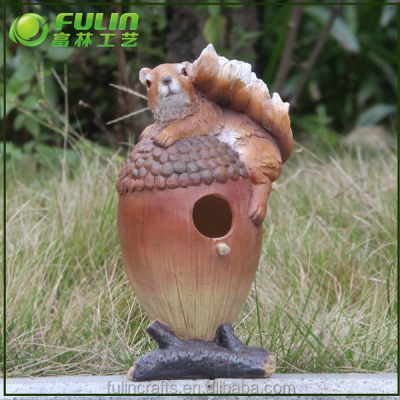
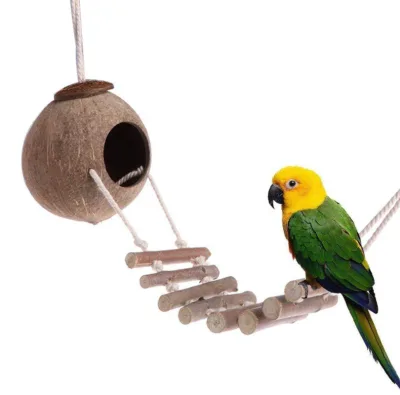
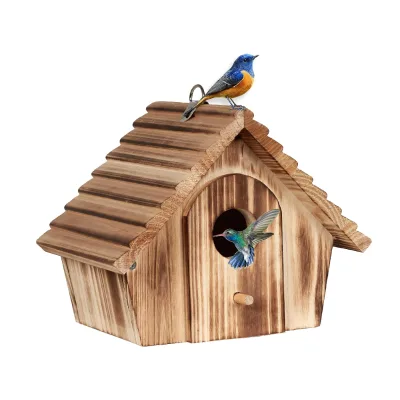
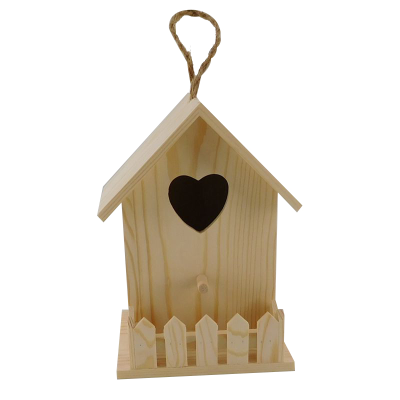
The current market for bird houses exhibits a wide range of styles, materials, and customization options, reflecting diverse buyer needs. Observed listings indicate a strong preference for wooden constructions, with specific mentions of paulownia wood, a lightweight and durable material often associated with sustainable forestry. Products are frequently described as "eco-friendly" and "outdoor," suggesting their primary use in garden or patio settings. The style varies significantly, ranging from traditional house shapes to irregular, cage-like structures, allowing buyers to select designs that match specific architectural or landscaping themes.
Customization is a dominant feature in this category, with many suppliers offering OEM and ODM services. Buyers can often request custom logos, colors, and packaging, which is crucial for private label branding. The observed color palette includes multicolor, black, champagne, and natural log colors, with some suppliers explicitly stating that colors are customizable. This flexibility allows retailers to tailor products to seasonal trends or specific brand identities. However, buyers should verify that customization processes do not compromise the structural integrity or environmental claims of the product.
Technical Specifications to Verify
Material composition is the most critical technical specification for eco-friendly bird houses. Buyers must confirm that the wood used is sourced from responsibly managed forests, as indicated by certifications such as FSC (Forest Stewardship Council). The presence of paulownia wood in some listings suggests a focus on lightweight, fast-growing species, which can be a positive sustainability indicator if paired with proper sourcing documentation. Additionally, the finish and treatment of the wood should be non-toxic to ensure the safety of birds and other wildlife. Buyers should inquire about the use of water-based stains or natural oils versus chemical preservatives.
Dimensions and structural design are equally important for functionality and shipping efficiency. Observed sizes vary, with common dimensions including 46x13x25.4cm and 24x16x30cm, catering to different bird species and installation spaces. The single gross weight of approximately 1.5kg for some models provides insight into shipping costs and handling requirements. Buyers should verify that the design includes adequate ventilation, drainage, and easy cleaning access to maintain bird health. The shape, whether regular or irregular, should also be evaluated for its ability to withstand local weather conditions, including wind and rain.
Compliance and Safety Documentation
Certification verification is paramount for validating eco-friendly claims. The FSC certification, observed in some listings, is a key indicator of responsible forest management. Buyers should request valid FSC certificates from suppliers and verify their authenticity through the FSC database. Additionally, BSCI (Business Social Compliance Initiative) certification, also observed, indicates adherence to ethical labor practices, which is increasingly important for corporate social responsibility (CSR) reporting. These certifications provide a layer of assurance that the product's environmental and social impacts are managed according to recognized standards.
Safety documentation should also include information on material safety and finish compliance. Buyers must ensure that any paints, stains, or adhesives used are free from harmful chemicals such as lead, mercury, or volatile organic compounds (VOCs). While specific test results are not provided in the observed data, buyers should request Material Safety Data Sheets (MSDS) or third-party lab reports confirming the non-toxic nature of the finishes. This is particularly important for products intended for outdoor use, where exposure to rain and sun could potentially leach chemicals into the environment.
Cost Drivers and Commercial Terms
Pricing in the bird house market is influenced by material costs, customization levels, and order volume. The observed price range of $0.8 to $103 USD reflects significant variation based on product complexity, material quality, and branding requirements. Lower-priced items may be standard, unbranded products with minimal customization, while higher-priced items likely involve premium materials, intricate designs, or extensive branding services. Buyers should analyze the cost breakdown to understand how much of the price is attributed to materials versus labor and branding.
Minimum Order Quantities (MOQs) and lead times are critical commercial terms that impact inventory management and cash flow. Observed MOQs range from 1 to 1000 pieces, offering flexibility for both small and large buyers. Sample times of 7-10 working days allow for quality assessment before bulk production, while delivery times of 30-40 days highlight the importance of early planning. Buyers should negotiate clear terms regarding payment schedules, shipping responsibilities, and penalties for delays to mitigate supply chain risks. Understanding these commercial dynamics helps in budgeting and forecasting more accurately.
Supplier Qualification and Quality Control
Supplier qualification begins with verifying their manufacturing capabilities and quality control processes. Buyers should assess whether the supplier has in-house production facilities or relies on subcontractors, as this affects consistency and accountability. The presence of OEM and ODM acceptance suggests that the supplier has the flexibility to meet specific design and branding requirements. However, buyers should also evaluate the supplier's track record for meeting deadlines and maintaining quality standards, as indicated by customer reviews or third-party audits.
Quality control measures should be established before production begins. This includes defining clear acceptance criteria for materials, dimensions, and finishes. Buyers should request pre-production samples to verify that the product meets all specifications and sustainability claims. During production, regular inspections or third-party quality audits can help identify and rectify issues early. Post-production, a final random inspection based on AQL (Acceptable Quality Limit) standards ensures that the bulk order meets the agreed-upon quality levels. Establishing a robust QC process minimizes the risk of receiving defective or non-compliant products.
Long-Term Procurement Checks
Long-term procurement success depends on continuous monitoring of supplier performance and market trends. Buyers should regularly review supplier certifications to ensure they remain valid and up-to-date. This includes verifying FSC and BSCI certifications annually to confirm ongoing compliance with environmental and social standards. Additionally, buyers should stay informed about changes in material availability and pricing, as fluctuations in wood costs can impact product pricing and availability. Building a strong relationship with suppliers can provide early warnings of potential disruptions.
Sustainability should be an ongoing priority, not just a one-time verification. Buyers should encourage suppliers to adopt continuous improvement practices, such as reducing waste, optimizing energy use, and sourcing materials from increasingly sustainable sources. Regular communication about sustainability goals can drive innovation and alignment between buyer and supplier. Furthermore, buyers should periodically reassess their product portfolio to ensure it remains relevant and competitive in the market. By maintaining a proactive approach to supplier management and sustainability, buyers can secure a reliable supply of high-quality, eco-friendly bird houses.
FAQs
What materials are used for eco friendly bird houses?
Wood and paulownia are the primary materials used for these bird houses. The products feature FSC and BSCI certifications to ensure they meet eco-friendly standards and sustainability requirements for buyers.
Can I customize the size and color of the bird house?
Yes, customization is available for size, color, and logo. Buyers can select from sizes like M or L, and choose colors such as black, champagne, or log color based on specific project needs.
What is the minimum order quantity for these bird houses?
The minimum order quantity varies by supplier but can be as low as 1 piece or as high as 1000 pieces. Some listings specify an MOQ of 500 pieces for standard orders.
How long does it take to receive samples and bulk orders?
Sample time typically takes 7 to 10 working days. For bulk orders, the delivery time ranges from 30 to 40 days depending on the supplier location and production capacity in China.
Which certifications do these bird houses hold?
The products hold FSC and BSCI certifications. These credentials verify that the materials and manufacturing processes adhere to recognized environmental and social responsibility standards for international buyers.
Are these bird houses suitable for outdoor use?
Yes, the bird houses are designed for outdoor use and are suitable for spring and autumn seasons. They feature durable wood construction and are often packaged in bubble bags and inner boxes for protection.